
How Minor Storm Damage Turns Into a Major Problem Later
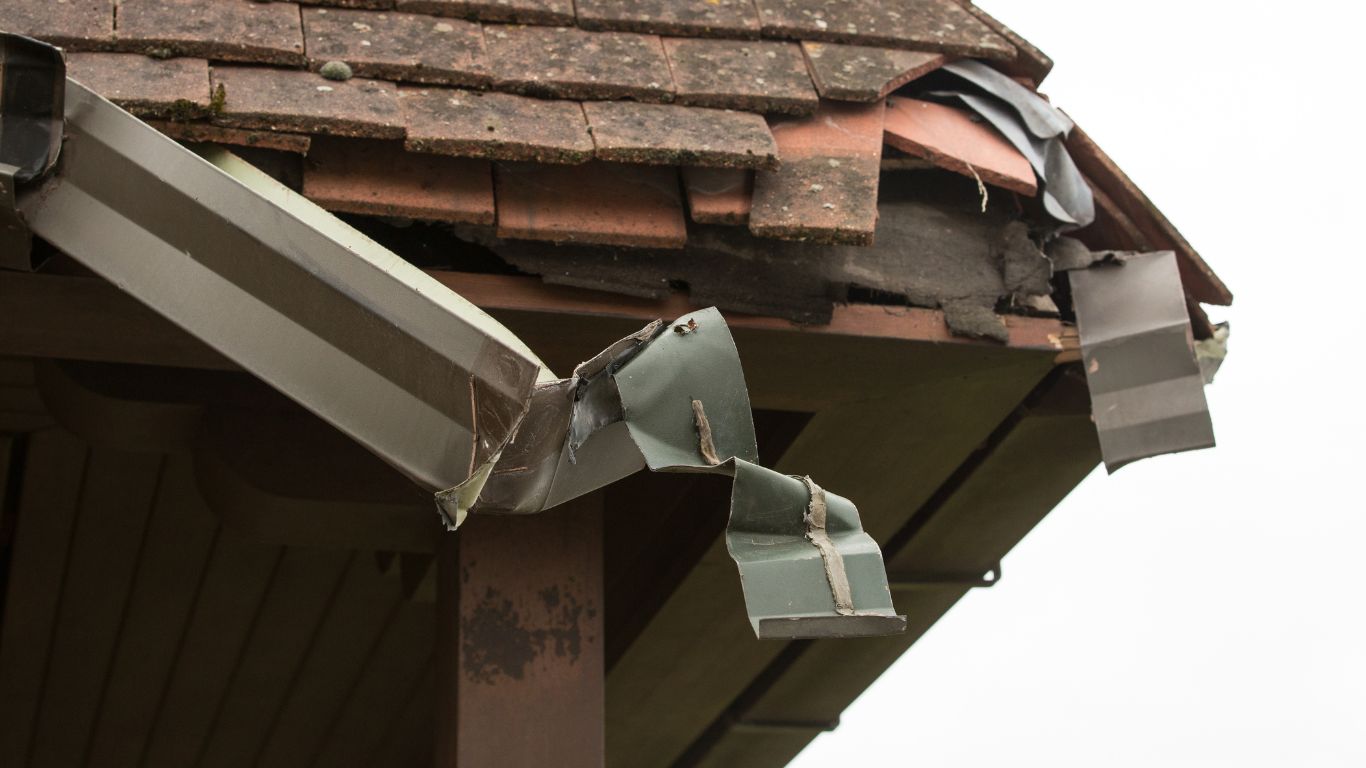
It is standard for a person to feel relief and immediately inspect their property after a storm. A missing shingle, a little water stain on the ceiling, or a gutter that is not entirely secure can be the damage caused by the storm. Since the first impression is that nothing is seriously wrong, it is very tempting to look the other way. But here’s the thing: even minor storm damage can quietly become a major headache if not addressed quickly.
At Goliath Disaster Restoration, we have encountered many instances where the homeowners had to make big repairs later because of ignorance. A small leak today might cause a collapsed ceiling or mold problem after a month.
The Hidden Dangers of Ignoring Minor Storm Damage
Storm damage can be hard to detect as it frequently conceals itself in non-visible areas. It may seem that a couple of missing shingles do not make much difference, but the following can happen behind the scenes:
Roof Leaks and Water Intrusion
Water can enter even through a tiny fissure in the roof. Gradually, the wetness penetrates through the insulation, wood, and drywall, leading to their decay and thus compromising the structure’s strength.
Cracked or Missing Shingles
Shingles protect your home from rain and sun. Once they’re damaged, water can slip underneath, slowly warping your roof and letting mold grow.
Clogged Gutters and Downspouts
When gutters fill with leaves and debris after a storm, water can overflow and pool near your foundation. Eventually, that can lead to erosion, cracks, and basement flooding.
Damaged Siding or Windows
Small cracks or dents might not seem urgent, but water and humidity can creep through those openings. Over time, that moisture can cause paint to peel, wood to rot, and energy bills to rise.
How Minor Damage Escalates Over Time
Florida’s weather makes minor damage worse, fast. Between the humidity, frequent rain, and hot sun, moisture doesn’t just sit; it multiplies the problem.
A little water under your roof can turn into mold spreading through your attic. A small leak behind your wall can lead to soggy insulation and warped floors. When you notice visible signs, like a musty smell or bubbling paint, the problem has already grown.
Moreover, it is not only the harm done but also the expense involved. A little more than a speedy $300 patch-up could escalate to a full-blown $5,000 restoration. If mold develops or structural materials become soft, then there are no such things as easy fixes anymore.
The Health and Safety Risks
Ignoring storm damage doesn’t just hurt your home; it can also impact your health and safety.
- Mold Growth: Moisture creates a perfect breeding ground for mold. Breathing in mold spores can cause allergies, coughing, and respiratory issues.
- Electrical Hazards: Water intrusion can reach your wiring, increasing the risk of short circuits or fires.
- Structural Weakness: Over time, trapped moisture can rot beams, weaken walls, and make your roof less stable.
These aren’t problems that happen overnight; they build up slowly, often without obvious warning signs.
Why Professional Inspection and Restoration Matter
It’s easy to miss hidden damage if you don’t know what to look for. That’s why it’s so important to have a professional inspection after a storm. Experts like the team at Goliath Disaster Restoration can spot problems early and fix them before they spiral out of control.
We use moisture meters, infrared cameras, and other tools to detect issues beneath the surface. Once we know what’s happening, we handle the cleanup, drying, and repairs so you don’t have to worry about what’s hiding behind your walls or under your roof.
Our goal isn’t just to fix what’s broken; we want to ensure your home stays safe and sound long after the next storm hits.
Simple Preventive Steps After Every Storm
You don’t need to panic after every thunderstorm, but a little attention goes a long way. Here are a few easy steps to keep your home in good shape:
- Inspect your property: You should survey your dwelling for any loose shingles, bent gutters, or cracks in the window and siding as part of the inspection of your property.
- Check your attic and ceilings: Inspecting your property should also include looking for damp spots or discolored areas in the attic and ceilings.
- Clear your gutters: Make sure no obstacles prevent water from flowing freely from your house.
- Document any damage: Taking pictures is a good practice for documenting damage, as it will be helpful for insurance and repairs later.
- Call professionals for an inspection: True to the saying, “better safe than sorry,” even if your house is looking good, it is very possible that there could still be damage that is not visible. Hence, professional inspectors would be needed to unearth it.
Minor Damage, Big Consequences
Minor storm damage might not seem urgent today, but waiting can turn a quick fix into a full-blown restoration project. A small roof leak, water intrusion, or a few cracked shingles may look harmless, but they rarely stay that way.
At Goliath Disaster Restoration, we’ve seen how fast minor issues can grow. Our advice? Don’t wait until you see a big problem. Address minor damage early, saving yourself time, money, and stress later. Because when it comes to storms, “out of sight” doesn’t mean “out of danger.”
To stay updated with us, please follow our Facebook and Instagram pages.
